30 alternatives to basic English words, with examples
Swap busy, very tired and I think for what native speakers actually say: 30 alternatives by situation, each with an example, its nuance and its register.
10 min read
English vocabulary app
Look up the words you don't know, practice them in example sentences, and review them at the right time so they stick. Built for Brazilians who already understand most English and want to understand all of it.


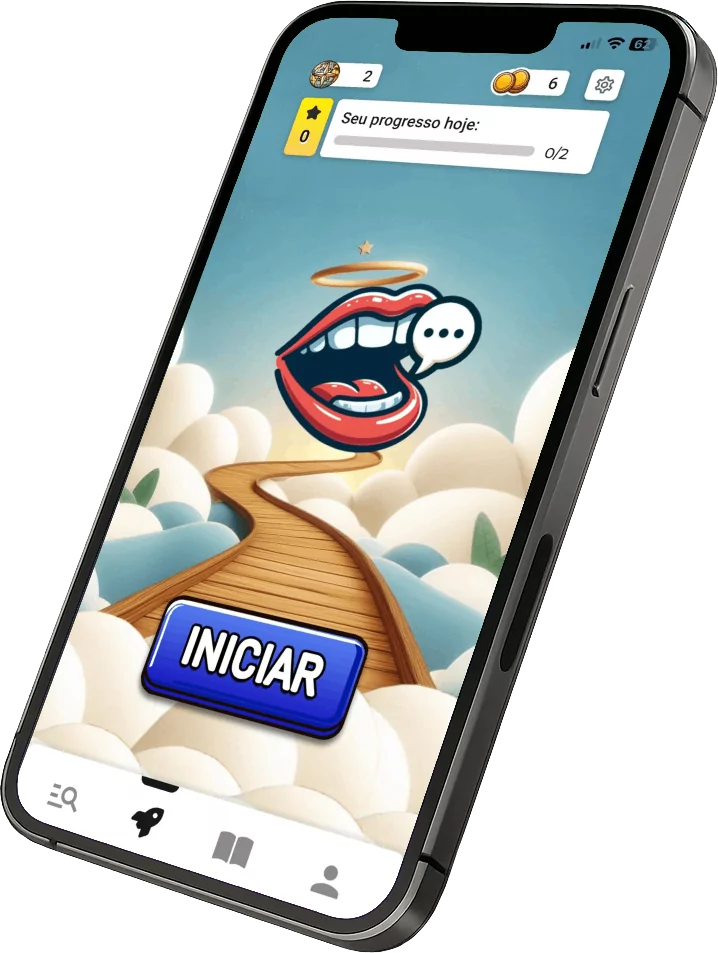
New sentence on your listI'm swamped with meetings.
Practice modesSpeaking · Seeing · Listening
Who it's for
dailyBe is for people who are past the beginner stage, understand 60% to 70% of an English sentence, and want the rest.
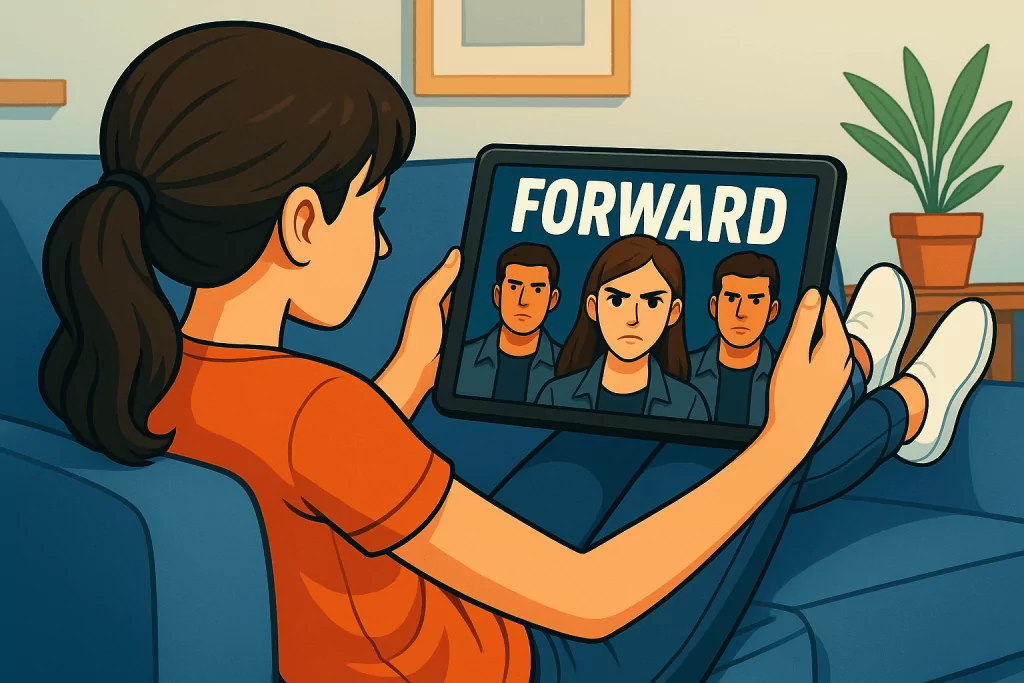
You follow the plot, but you miss parts of the dialogue, even with subtitles on.
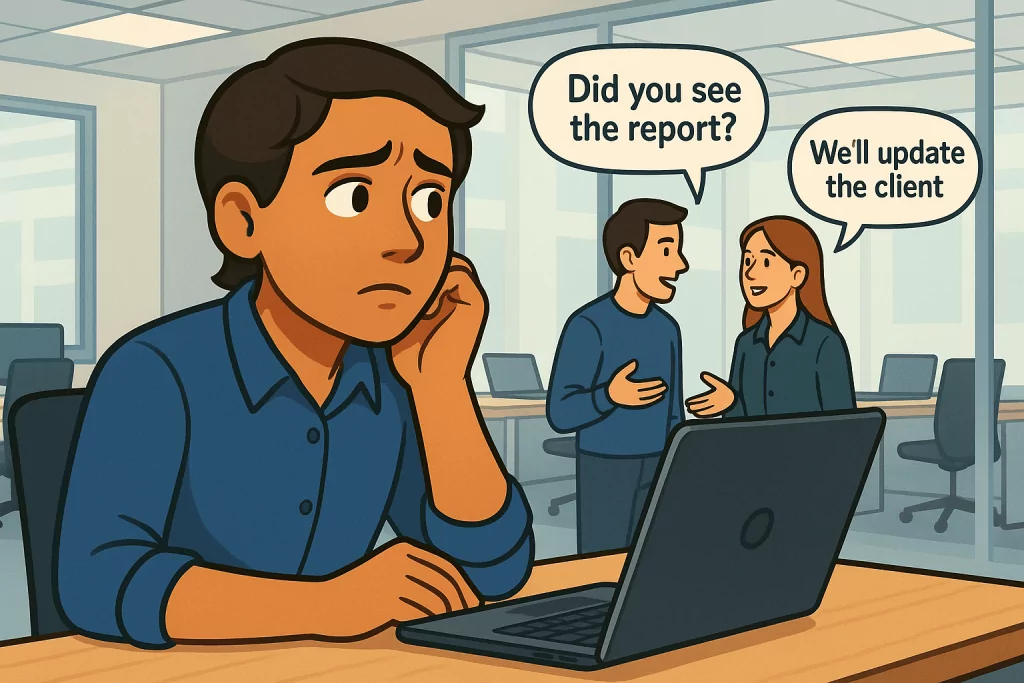
When a meeting picks up speed, you're never quite sure you caught everything.
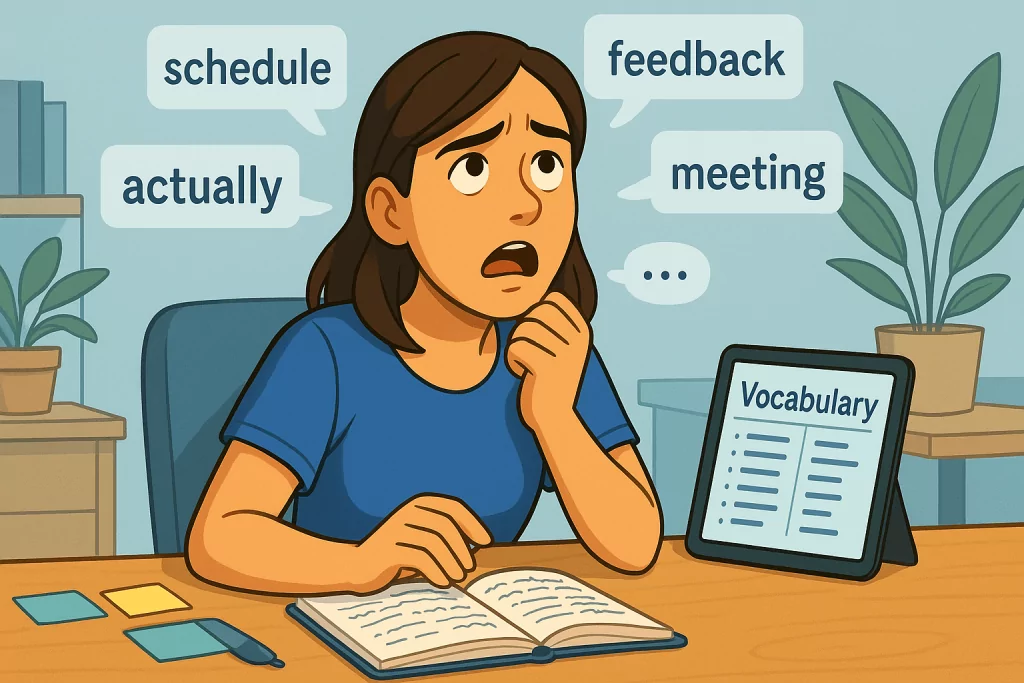
You study, you recognize the word when you read it, and then it's gone the moment you need it.
It all comes down to one thing:not enough practice with new vocabulary.
The missing words
If you know “I'm busy.” but not “I'm swamped with meetings.”, you need to learn what's missing… not more of the same.
Beginner apps keep drilling what you already know, and it feels like progress. What actually holds you back are the words between basic and fluent: the ones in shows, meetings and podcasts. That's where dailyBe does its work.
| You already know | What's missing |
|---|---|
| busy | swamped |
| tired | worn out |
| start | kick off |
How that sentence reaches you today
Sorry, I'm (a word you don't recognize) with meetings today. Can we (a word you don't recognize) tomorrow?
Once you've learned what's missing
Sorry, I'm swamped (buried in work) with meetings today. Can we touch base (check in briefly) tomorrow?
How it works
The dictionary, the practice and the reviews all live in one app. You choose what to learn; dailyBe decides when to review it.
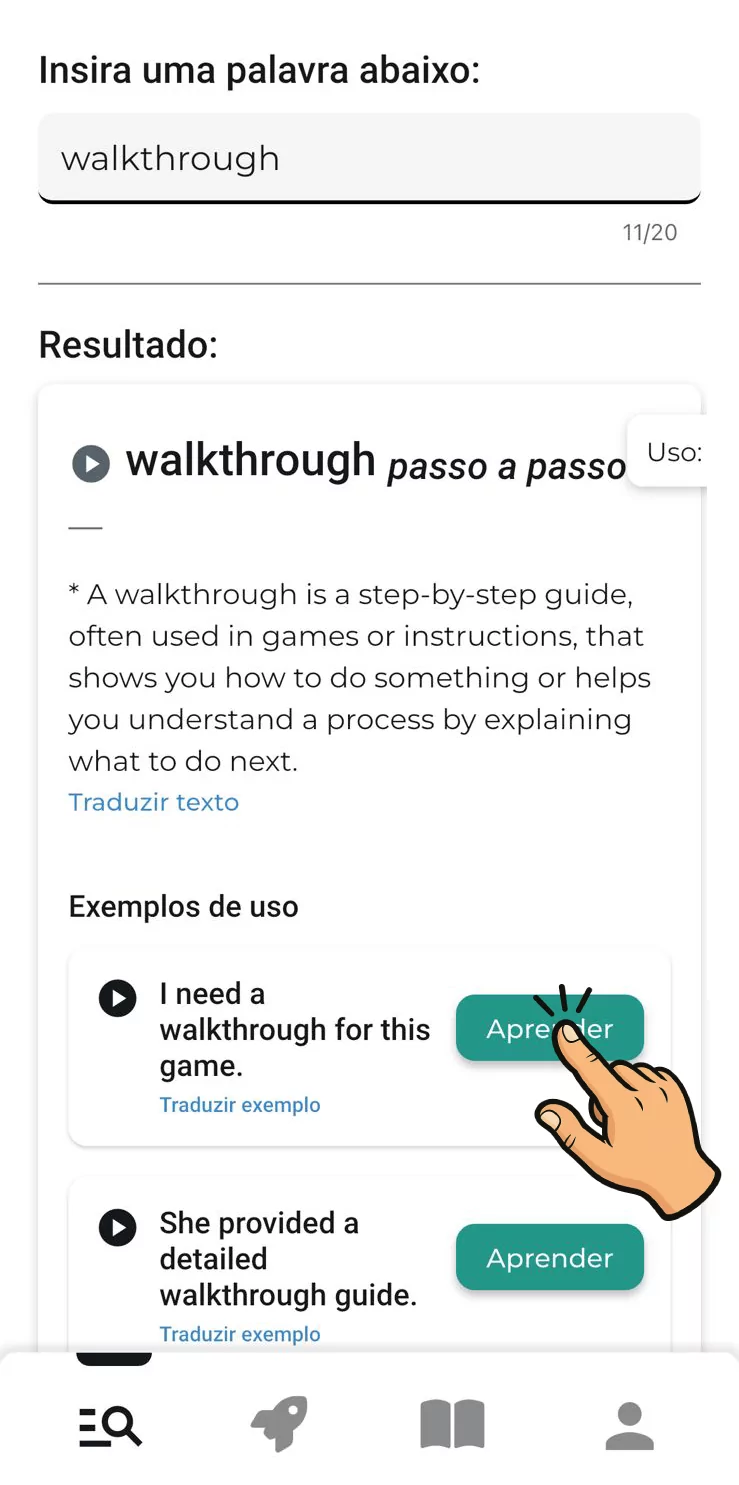
The AI dictionary takes words, expressions and phrasal verbs, and shows at least 5 example sentences in different contexts. Add the ones you want to learn to your list.
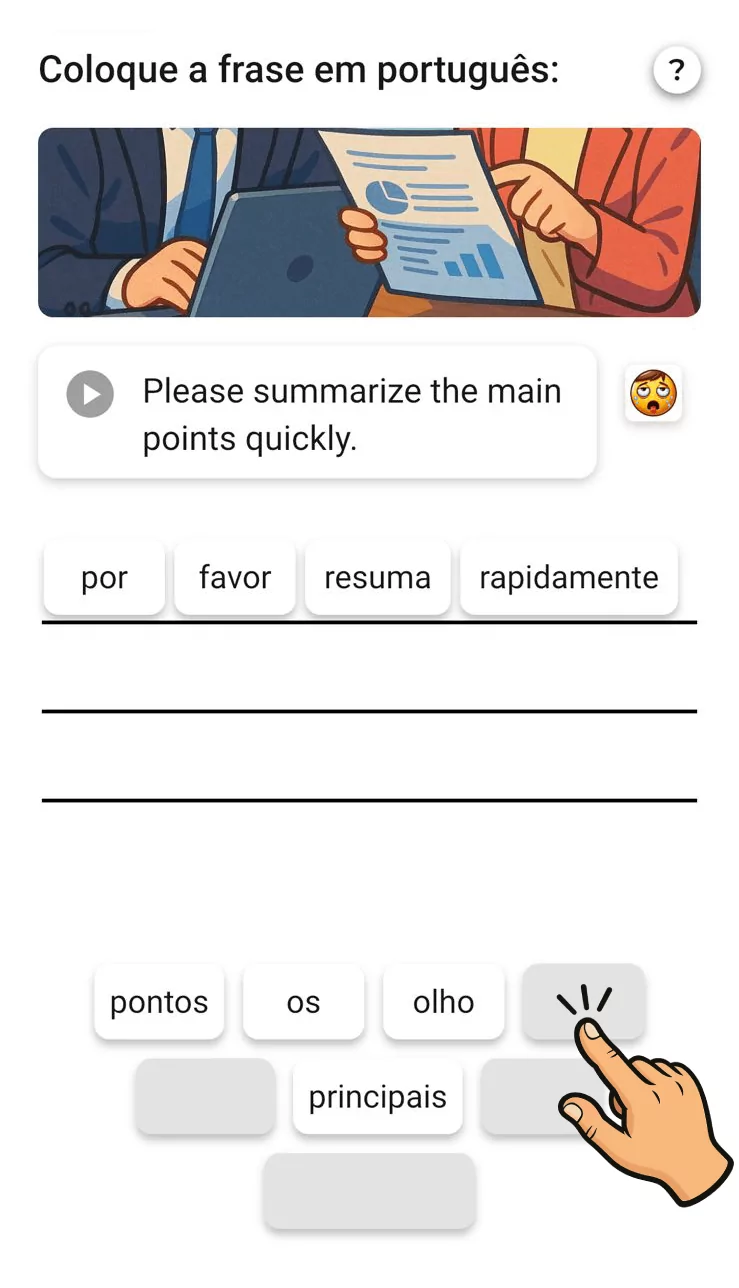
Sessions of 10 sentences from your list, in three modes. In speaking mode, the app shows what it heard and, if you got it wrong, gives you a pronunciation tip.
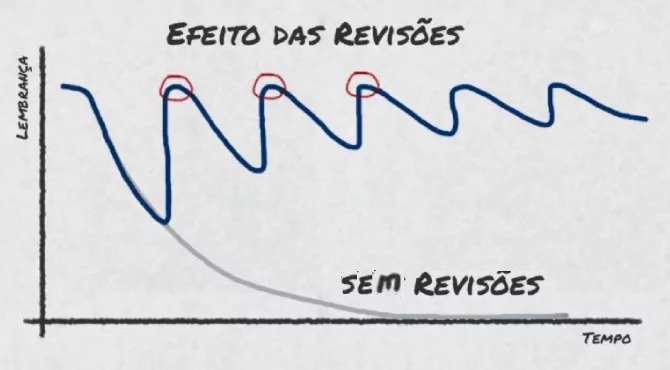
Get it right and the sentence comes back later: tomorrow, then in 3, 5, 7, 14, 28 and 54 days. Miss it and it drops back a step and returns sooner. That's spaced repetition moving vocabulary into long-term memory.
Features
Every feature is there to help you learn the words you're missing, keep them, and keep studying.
Discovery
Look up words, expressions and phrasal verbs and get at least 5 example sentences, in different contexts, to choose what to learn.
Pronunciation
Say the sentence and the app shows what it heard. Got it wrong? You get a tip spelled the way a Brazilian would read it: “I should have known better” becomes “ai xúdav nôun bérer”.
Vocabulary
Short stories of 30 sentences each to grow your vocabulary. A good fit if you're closer to the start.
Consistency
Pick a daily goal, keep your streak going, and compete with friends on study time over the week and the month.
Progress
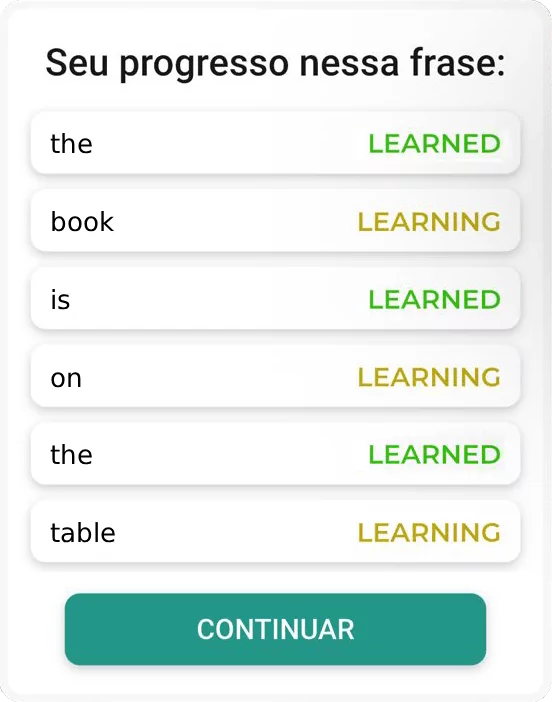
The app counts how often you get each word right. Get it right enough and the word counts as learned; once every word in a sentence is learned, the app moves the next ones up.
No shortcuts
dailyBe is real study: a few sessions a day, adding up to 20 to 30 minutes of full attention. If you want a quick game to play between other things, there are plenty of apps for that. If you want to understand everything you read, hear and watch in English, this is where the work gets done.
5 min20–30 mina day, fully focused
Blog
Swap busy, very tired and I think for what native speakers actually say: 30 alternatives by situation, each with an example, its nuance and its register.
Work, the doctor, the pharmacy, your kids' school, renting and paperwork: the real words and phrases English courses skip, explained in plain English.
Research points to 3,000 to 7,000 word families, depending on how much you want to understand. See where those numbers come from and what to study first.
Explore
How sentences are generated by AI, how reviews work and what happens when you report an error.
FAQ
No. dailyBe is for people past the beginner stage, who understand 60% to 70% of an English sentence and want the rest. Stories help if you're closer to the start, but if you're starting from scratch, it isn't the right app yet.
Each session has 10 sentences. Experienced learners finish in 4 to 5 minutes; if you're just starting out, it can take up to about 25. You can do as many sessions as you like while there are sentences to study, and you set your own daily goal. What works is serious study: a few sessions a day, 20 to 30 minutes in total, with your full attention.
You can use dailyBe for free. Free use comes with a daily limit on dictionary lookups. A subscription raises that limit tenfold and gives you early access to new features.
See:See pricing
With spaced repetition. Each right answer pushes the next review further out: tomorrow, then in 3, 5, 7, 14, 28 and 54 days. Each miss drops the sentence back a step so it returns sooner. The app also tracks every word: once all the words in a sentence are learned, it moves the next sentences up.
They're generated by AI. If you spot a pronunciation or translation error, you can report the sentence right in the app and it goes to human review.
It doesn't have to. dailyBe works alongside your classes: while your course follows its curriculum, you train the words your English is missing.
Right now, only English. German, Spanish, Italian and French are planned for the future.
Download now
On the App Store and Google Play. Start using it for free.